ROYALTY STORY No. 004
A Submitted Form to a Client Already Welcomed
How a connected onboarding workflow made sure a new client’s first experience didn’t depend on someone remembering to check a form.

Make your system operation easy
With intelligent systems architecture
Our Belief
The Royalty Perspective
A new client’s first experience shouldn’t depend on someone checking a form in time. Technology should meet a new client the moment they arrive.
Read the story
It shouldn’t leave that moment to whoever next opens the inbox. When onboarding depends on someone noticing a new submission, the organisation risks losing the moment that matters most, the first one. We believe automation delivers its greatest value when it welcomes a new client the moment they act. The team should learn about it at the same moment, not later.
The Situation
Every story should leave you understanding something you did not understand before.
The organisation had built a simple way to bring on new clients. A short Google Form captured the details it needed the moment someone was ready to begin.
Read the story
On the surface, the process looked complete. The information had somewhere to go. Behind the scenes, each new submission still depended on someone finding it. Someone had to notice the form response. Someone had to copy the details into a record.
Someone had to send the client a welcome and tell the right colleague a new client had arrived. Some clients heard back quickly. Others waited longer than the organisation would have liked, simply because the form was submitted at a busy moment. Nothing was mishandled through carelessness. The business had simply reached a point where a completed form was not the same thing as a client who felt welcomed.
The Question That Changed Everything
Why should a new client's first experience depend on someone finding the time to look?
We didn’t begin by asking, “How can we send a welcome email automatically?
Read the story
We began by asking,
“Why should a new client’s first experience depend on someone finding the time to look?”
That question changed the direction of the entire project. The objective was no longer to send an email. The objective became designing a workflow that responded to a new client the moment they submitted their details, without waiting for anyone to notice.

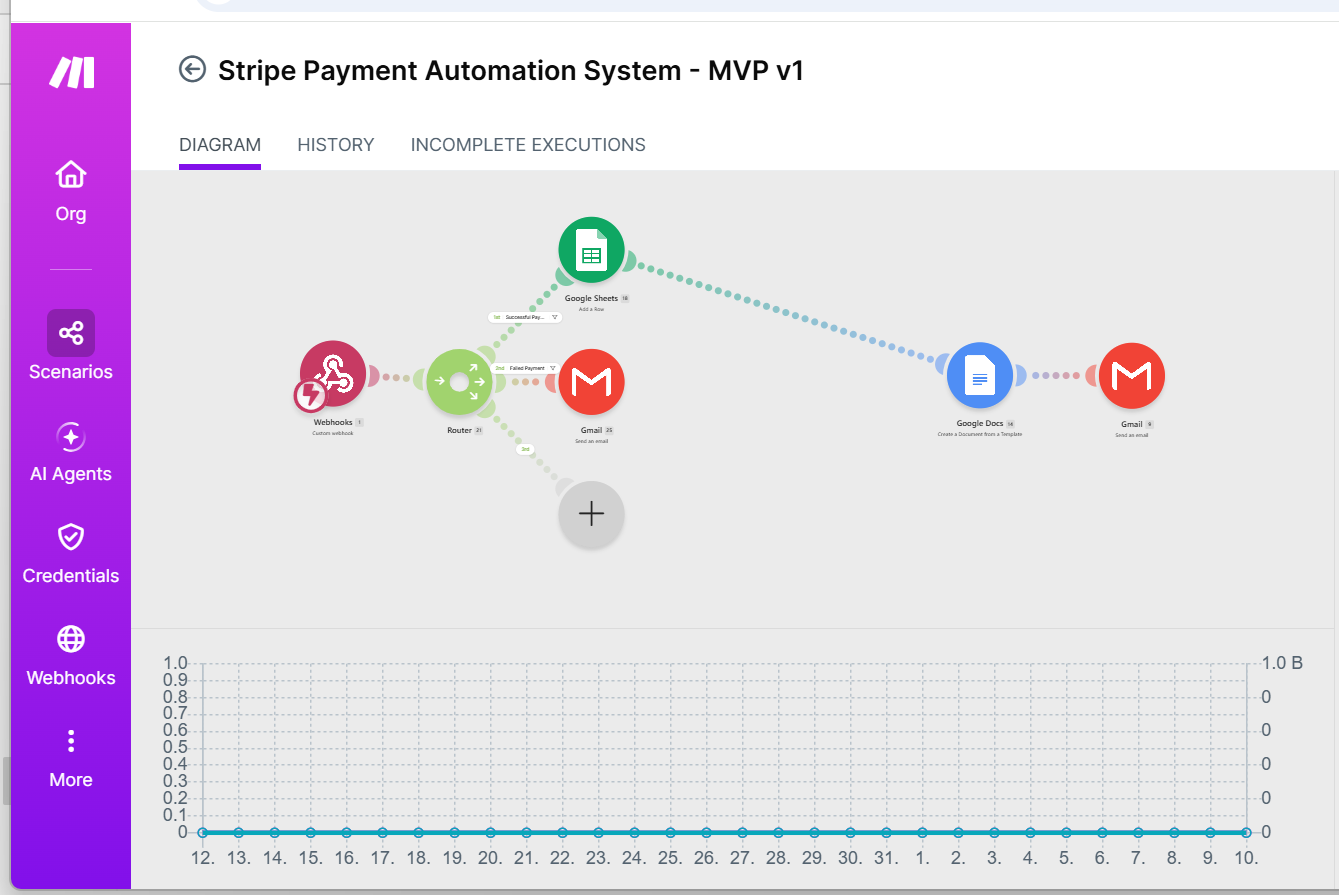
Payment Automation System
Why should a successful payment still depend on manual follow-up?
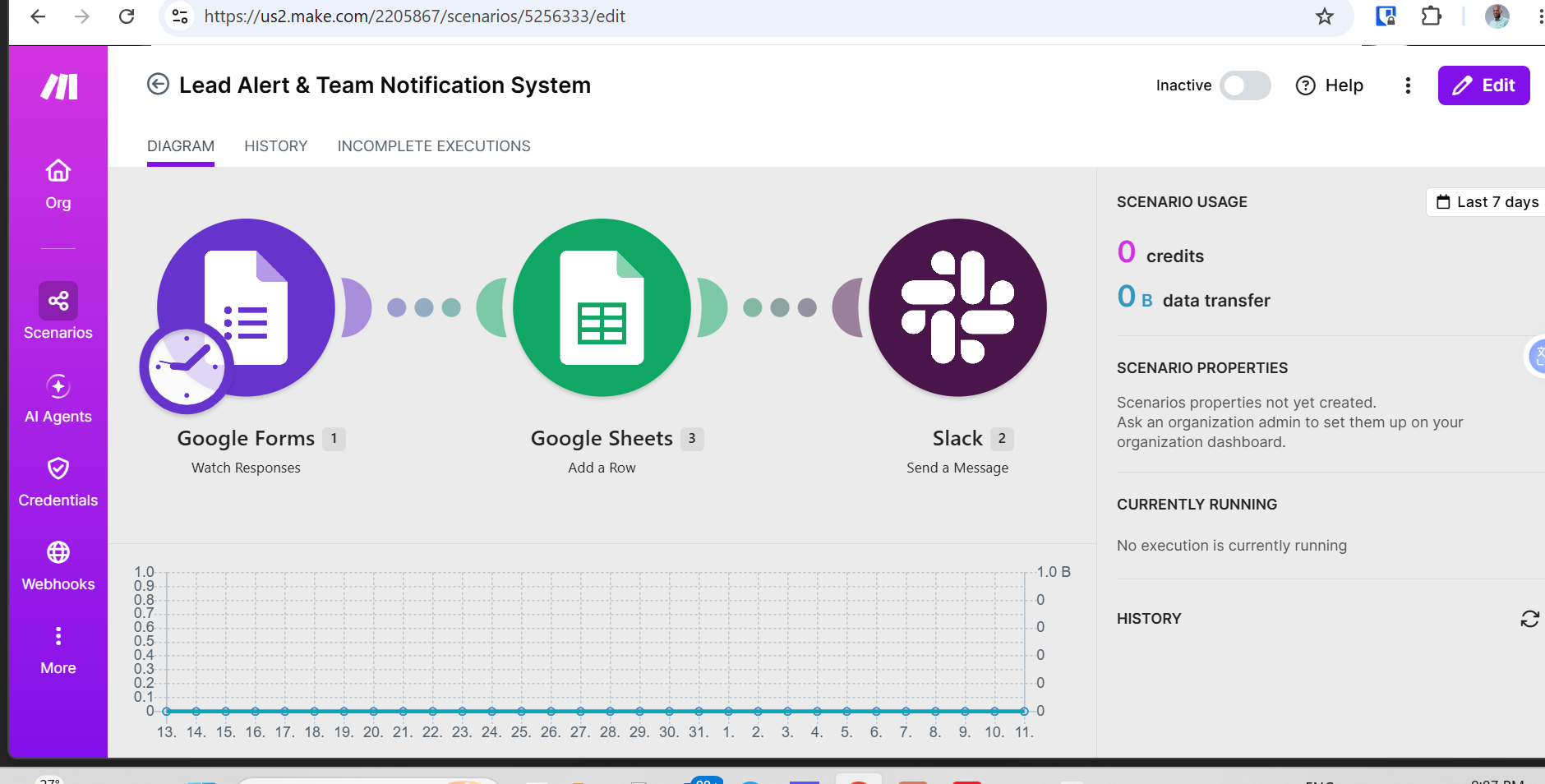
Lead Alert & Team Notification System
Why should a new lead depend on someone remembering to check a spreadsheet?
AI Content Integration System
Why should a logged idea still depend on someone finding the time to start it?

Client Onboarding Integration Systems
Why should a new client’s first experience depend on someone finding the time to look?
Customer Journey Design
A better client experience begins with understanding the journey.
What Became Clear
We are interested in what the work teaches, not just what the work delivered.
Capturing client details was never the problem. The real gap sat between a form being submitted and a client feeling acknowledged.
Read the story
The form collected the details. A person had to supply the welcome. Another person had to be told separately that a new client existed. Each part worked well on its own. None of them responded to the others. Once that became clear, the solution stopped being about writing a better welcome email. It became about making sure the moment a client acted, the organisation acted too.
What We Designed
Before we ask what to build, we ask what needs to be understood.
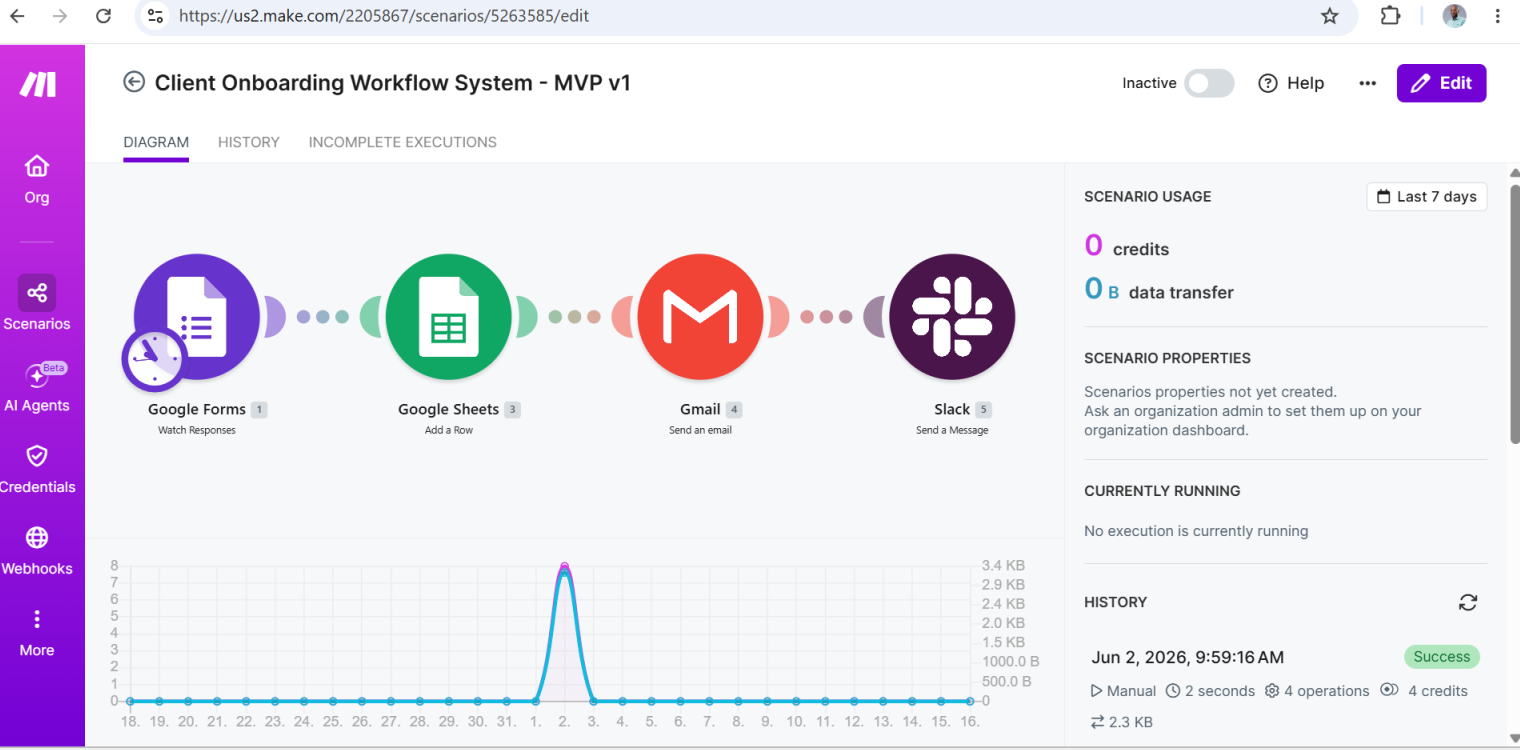
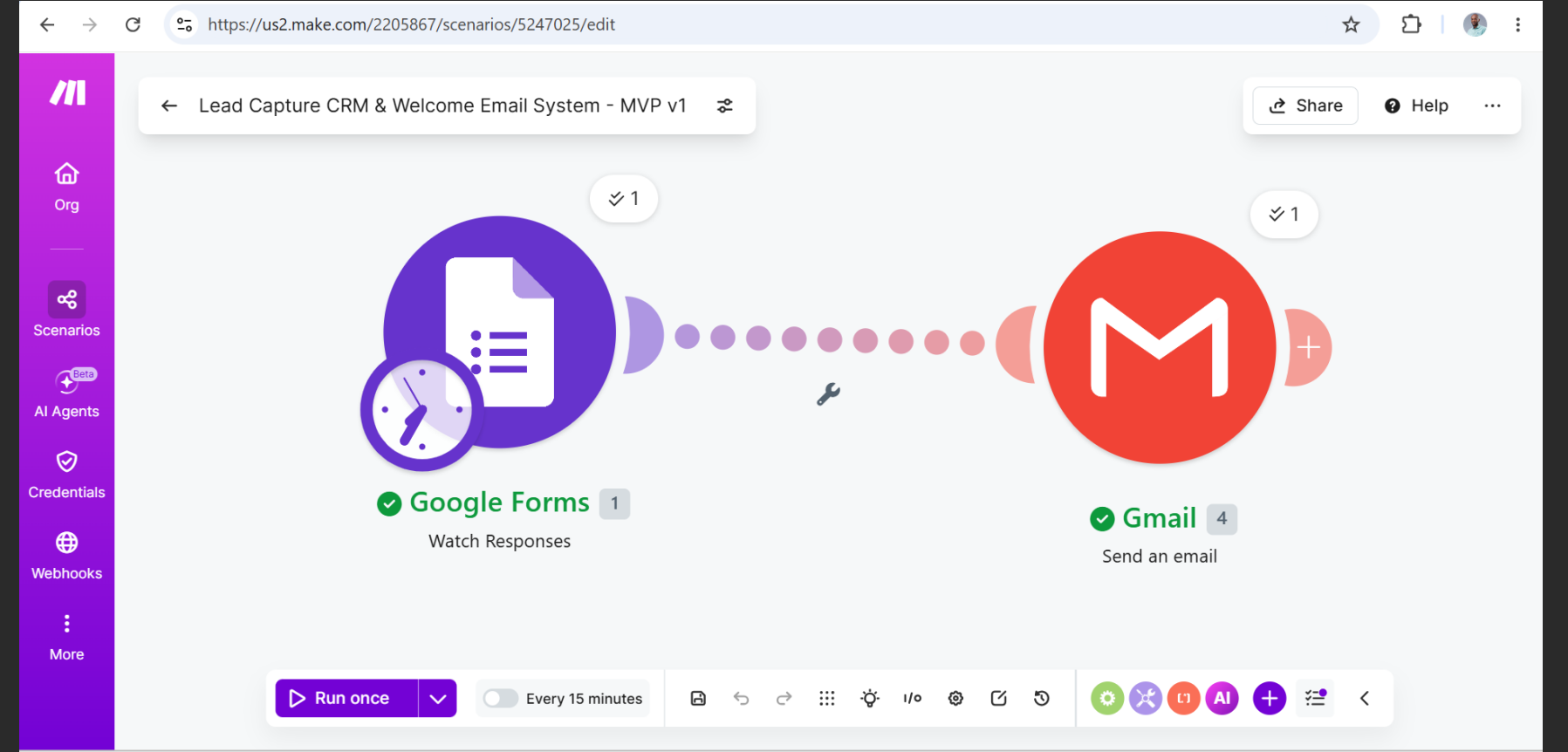
Royalty designed a Client Onboarding workflow that connected the organisation’s enquiry form with its records, its client communication and its internal notifications. Every submitted form now automatically:
Read the story
- Is captured the moment a client responds
- Is added as a new record in Google Sheets
- Triggers a welcome email to the client through Gmail
- notifies the team on Slack that a new client has arrived
Technology Use
- Google Forms
- Google Sheets
- Gmail
- Slack
The technology itself was never the goal. It was simply the means of making sure a new client’s first experience didn’t depend on who happened to check the form that day.
The Results
A story about one organisation can reveal something about yours.
Operational & Organisational Results
Explore more
Operational Results
- New client details were recorded without manual entry.
- Welcome emails were sent as soon as a form was submitted.
- The team is notified immediately when a new client arrives.
- Onboarding no longer depends on someone checking the form.
- Fewer new clients wait longer than they should for a first response.
Organisational Results
More importantly, the organisation experienced changes that extended beyond the workflow itself. New clients received a consistent first experience, regardless of who was available that day. The team spent less time on introductions and more time on the relationship that followed.
Attention shifted from noticing new clients to serving them well. The onboarding process became more dependable because it depended on a connected system rather than on someone’s timing.
The workflow became more dependable because it depended on systems rather than memory.
What Leaders Can Learn
A story about one organisation can reveal something about yours.
Technology rarely transforms an organisation by itself. Transformation begins when a client’s first experience no longer depends on manual attention.
Read the story
Many growing businesses believe they need a bigger team, a faster response policy or another reminder. Sometimes they simply need the systems they already use to respond the moment a client acts. This is part of a wider pattern we keep seeing across our work. Royalty does not set out to automate a single task on its own.
We look closely at what happens between tasks, because that is usually where a client’s experience is quietly won or lost. Automation works best when it strengthens a good process. When systems respond as quickly as a client does, leaders gain something more valuable than convenience. They gain a first impression they can be proud of.
Reflection
Sometimes the first step towards a better system is simply understanding the problem differently.
Before you invest in another tool, ask yourself one question.
Explore more
Where in your organisation does a client’s first experience still depend on someone finding the time? Sometimes the biggest opportunity isn’t adding something new. It’s connecting what you already have.
Are You Ready to Start the Conversation?
If your business welcomes new clients through a process that still depends on someone noticing them, we’d be pleased to help you understand where the gaps are and design a system that responds the moment they arrive.