ROYALTY STORY No. 001

Routine Work to Better Leadership Decisions

How a connected payment workflow transformed routine administration into a system leaders could trust.

Make your system operation easy

With our intelligent systems architecture

Our Belief

The Royalty Perspective

Routine work shouldn’t stand between leaders and better decisions.

Technology should reduce unnecessary effort, not create more of it.

When routine work quietly competes for a leader’s attention, the organisation loses time, focus and confidence. We believe automation delivers its greatest value when it strengthens a good process and allows leaders to concentrate on the decisions that move the organisation forward.

The Situation

Every story should leave you understanding something you did not understand before.

The organisation had successfully implemented online payments through Stripe.

Customers could complete transactions without difficulty.

On the surface, everything appeared to be working.

Behind the scenes, however, every successful payment triggered a series of manual administrative tasks.

Payment details had to be copied into spreadsheets.

Business records were updated manually.

Confirmation emails depended on someone completing the next step.

Each task was small on its own.

Together, they quietly consumed valuable time and increased the risk of inconsistency as the business continued to grow.

Nothing was broken.

The business had simply reached the point where its systems no longer supported the way it wanted to operate.

The Question That Changed Everything 

Why should a successful payment still depend on manual follow-up?

We didn’t begin by asking, “How can we automate payments?”

We began by asking,

“Why should a successful payment still depend on manual follow-up?”

That question changed the direction of the entire project.

The objective was no longer to automate a payment.

The objective became designing a connected business process that continued working long after the payment had been received.

Payment Automation System

Why should a successful payment still depend on manual follow-up?
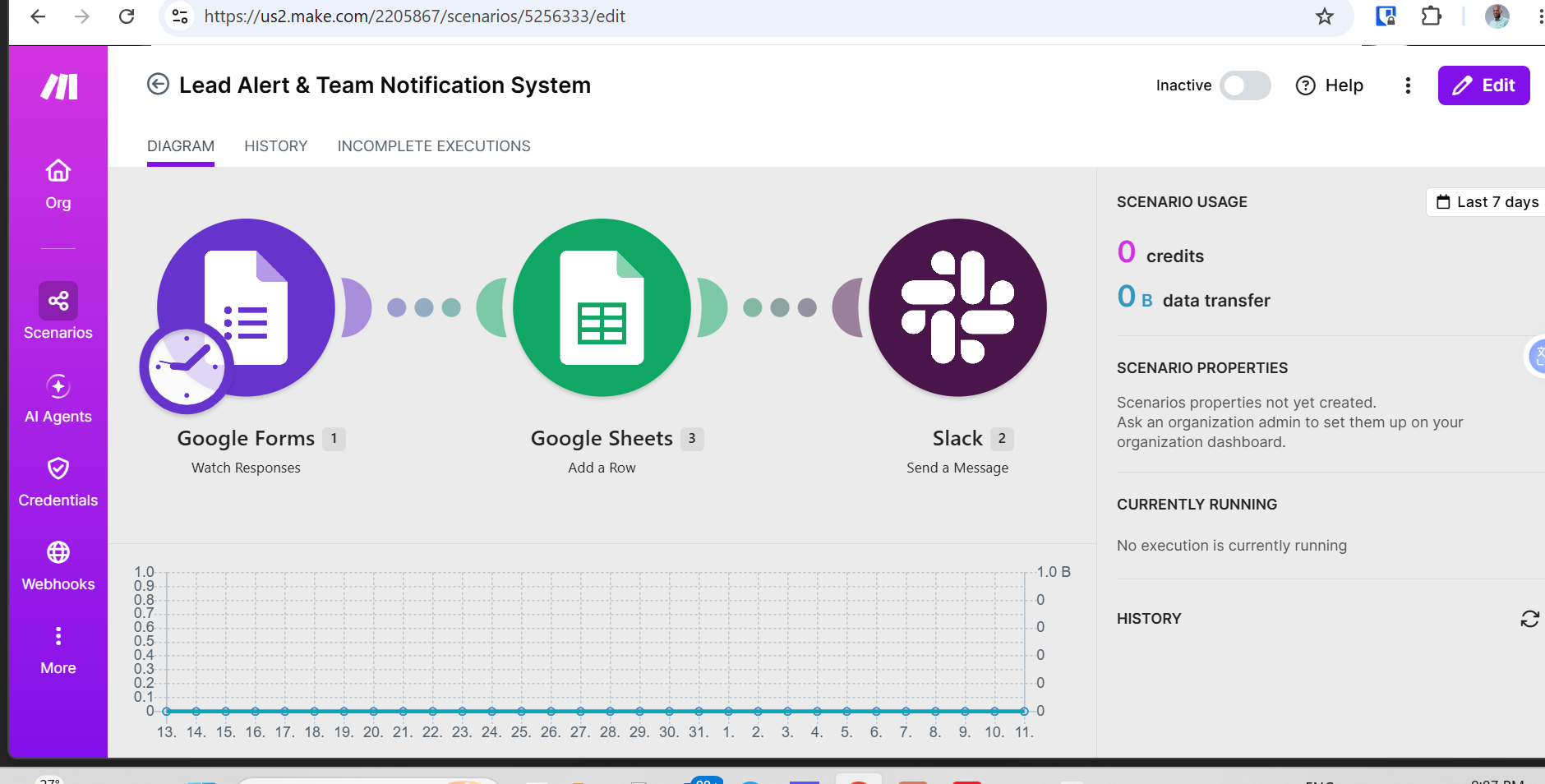
Lead Alert & Team Notification System

Why should a new lead depend on someone remembering to check a spreadsheet?
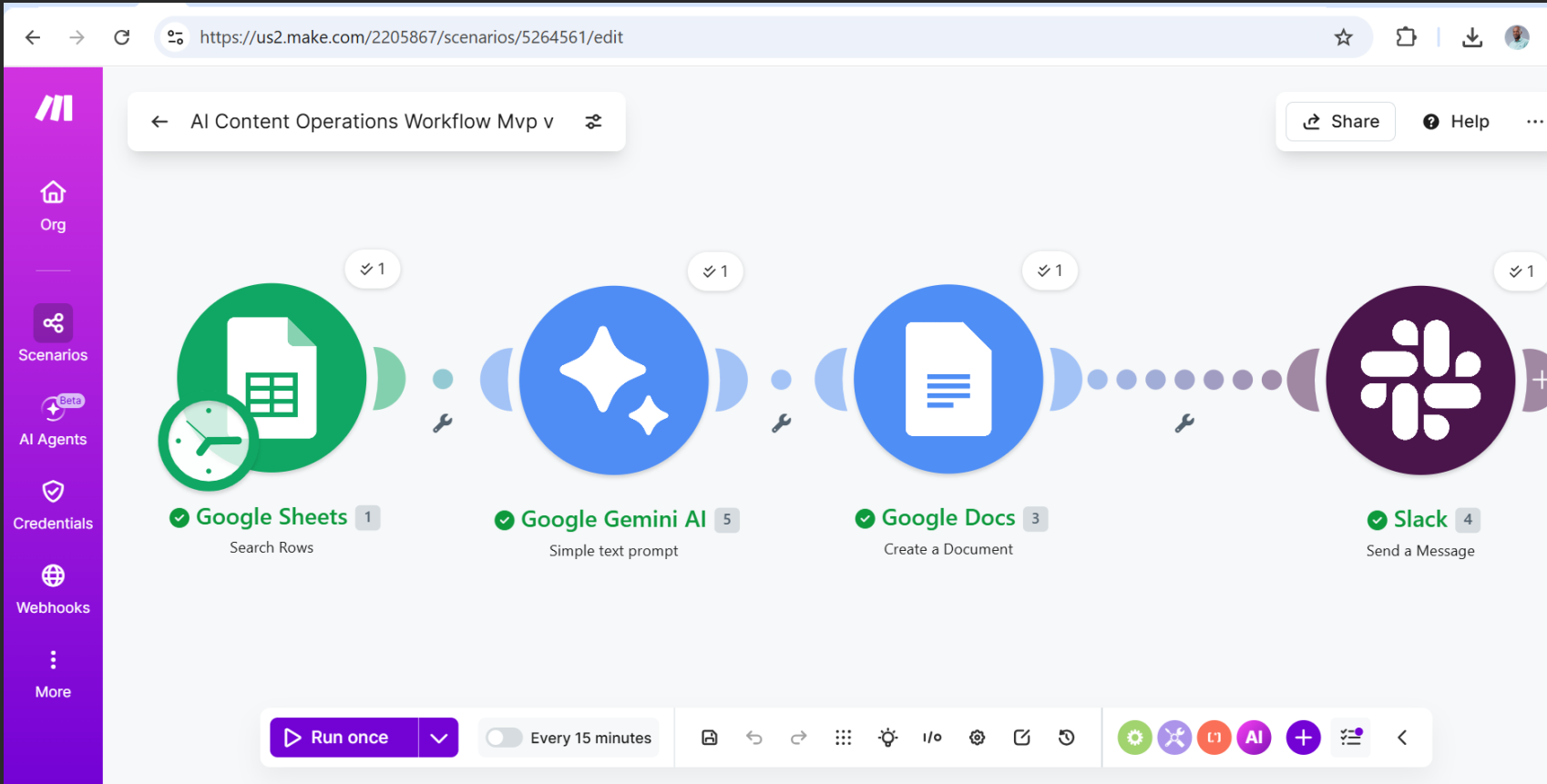
AI content Integration system

Why should a logged idea still depend on someone finding the time to start it?
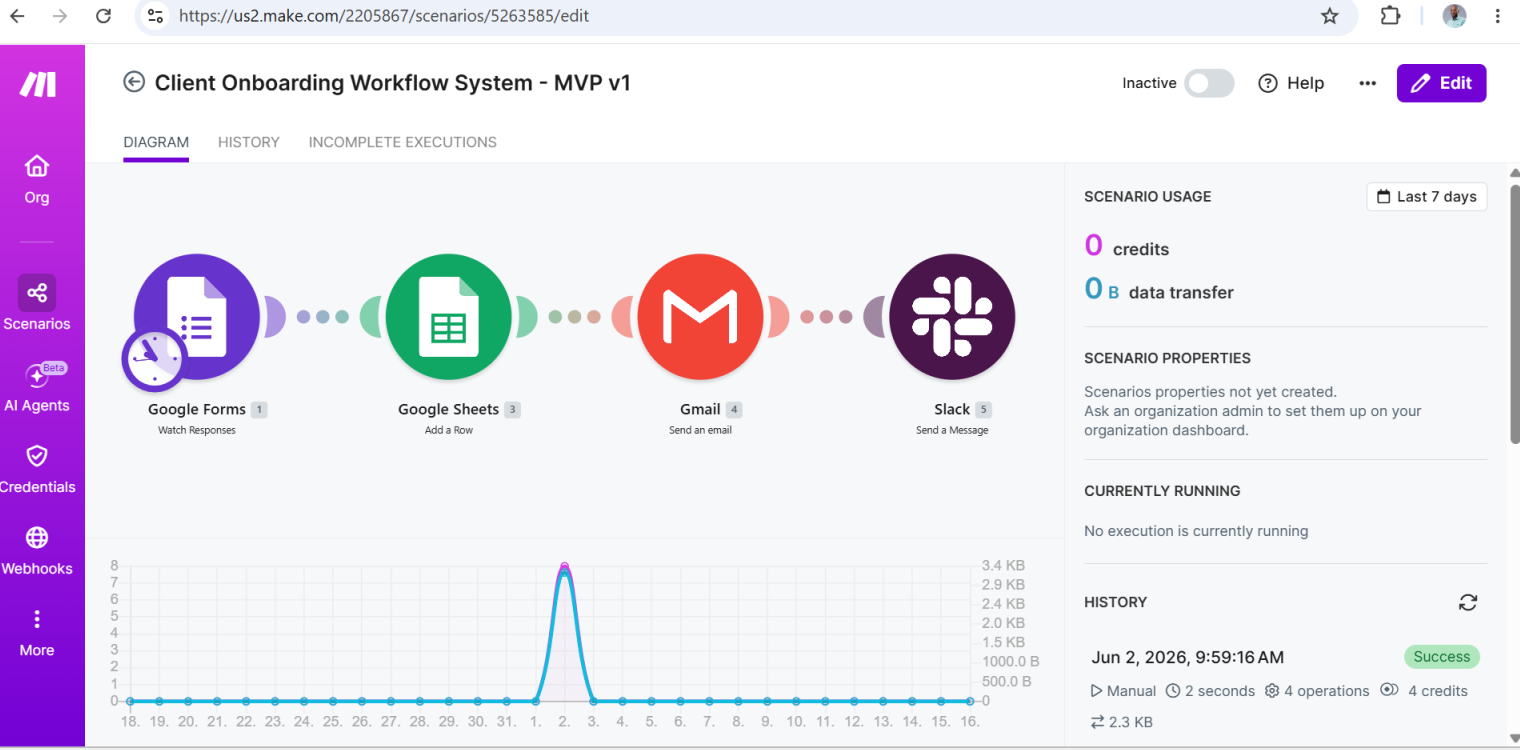
Client Onboarding Integration System

Why should a logged idea still depend on someone finding the time to start it?
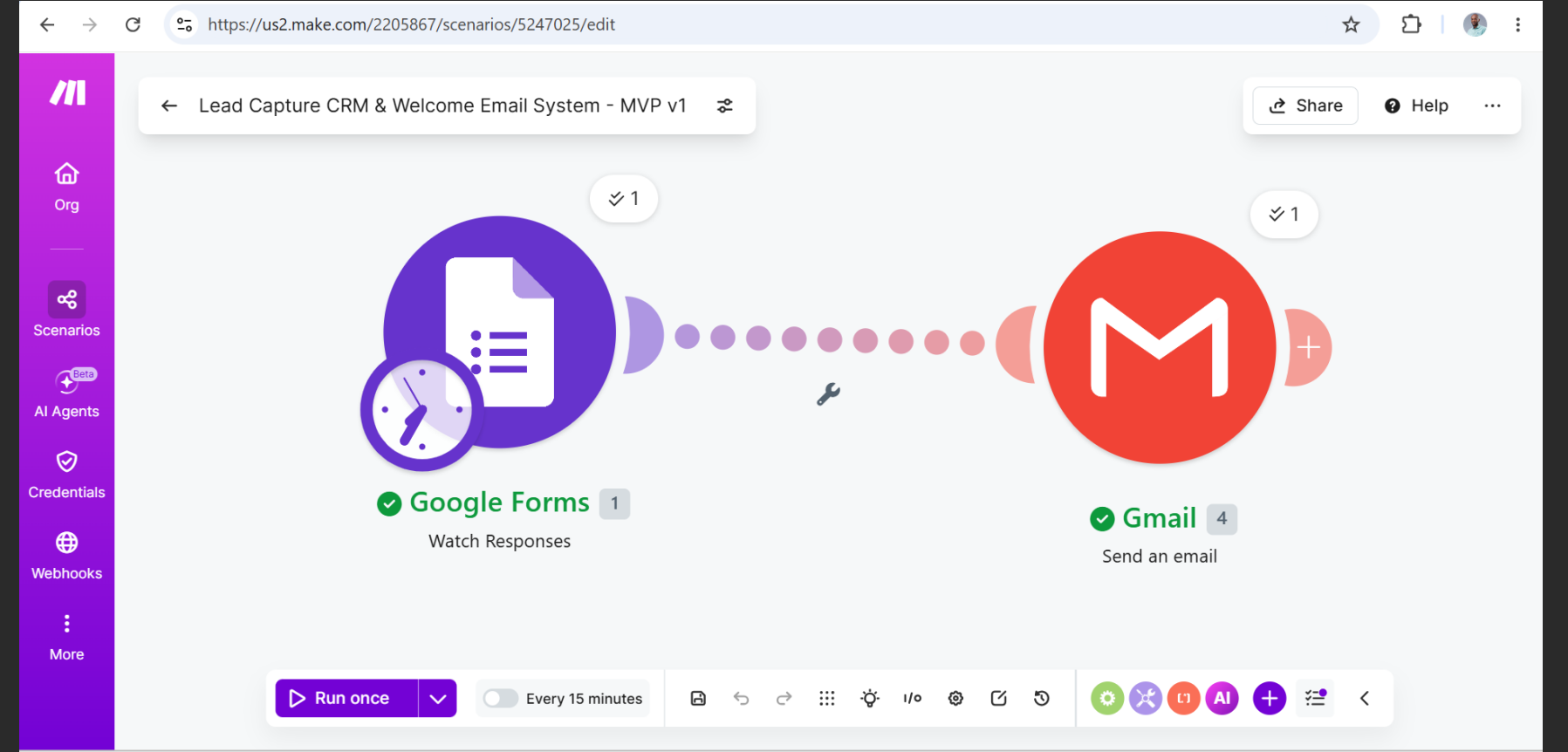
Customer Journey Design

What should happen immediately after someone becomes a lead?

What Became Clear

We are interested in what the work teaches, not just what the work delivered.

The payment process was never the problem.

The real challenge began after the payment had been completed.

Each system was performing its own task, but none of them worked together as one connected workflow.

Information stopped moving automatically.

People filled the gaps manually.

Once that became clear, the solution became much simpler.

The business didn’t need more software.

It needed its existing systems to work together intelligently.

What did we notice?

What assumptions needed to be challenged?

What question changed the direction of the work?

What became clear once we understood the organisation more deeply?

What can another leader learn from it?

That is what makes a Royalty Story different.

We do not tell stories to make the technology look impressive.

We tell them to make the thinking useful.

What We Designed

Before we ask what to build, we ask what needs to be understood.

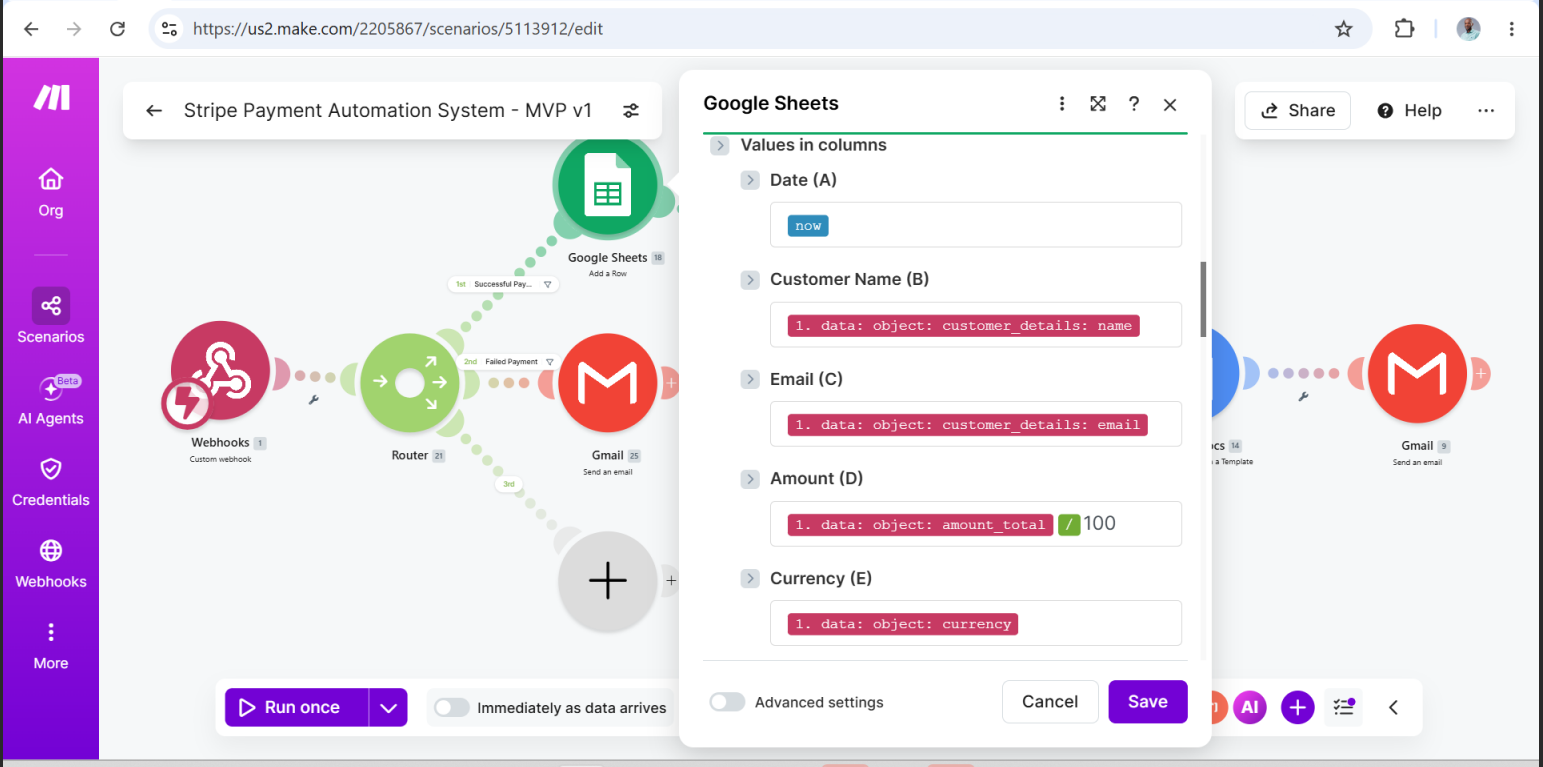
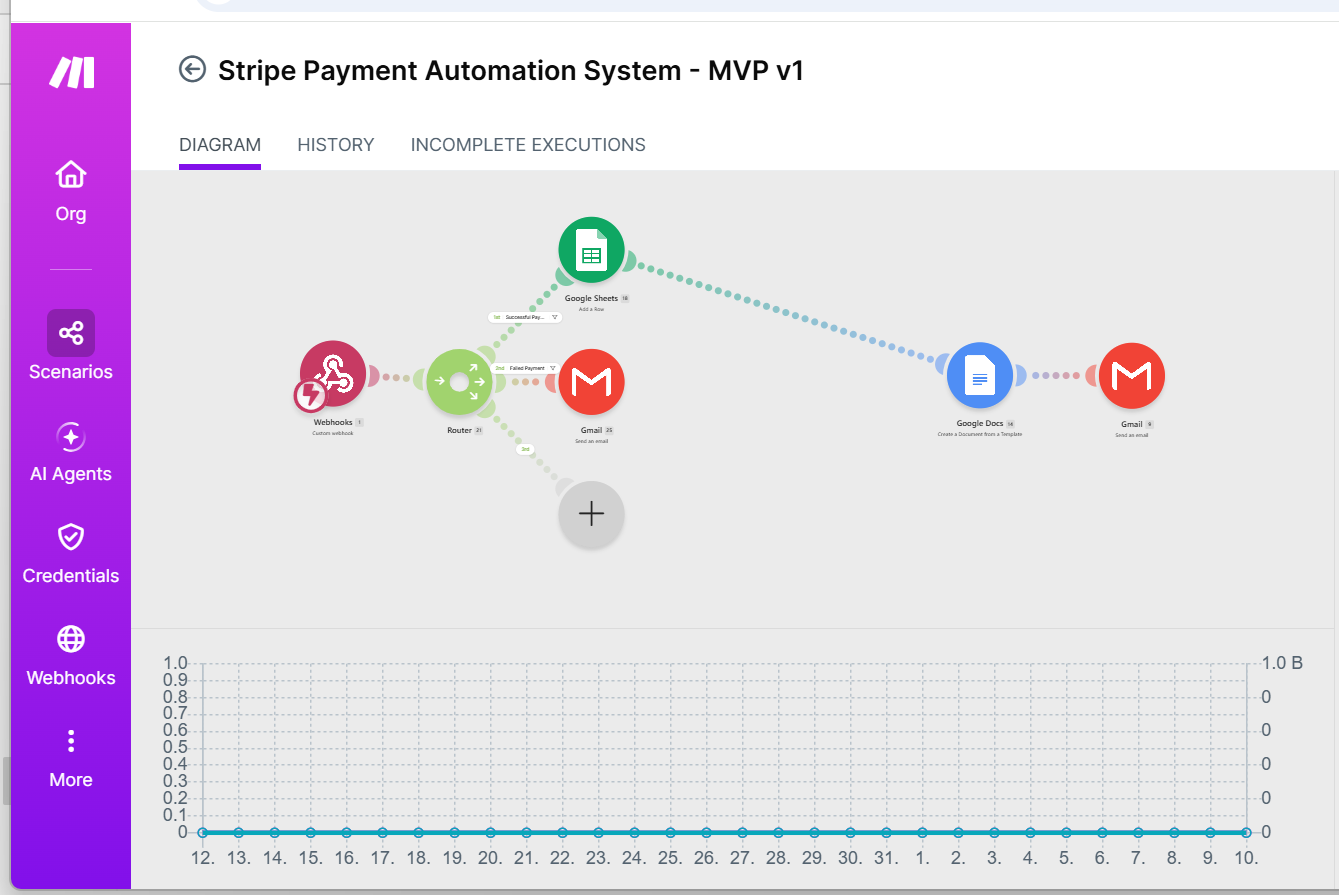
Royalty designed an automated workflow that connected the organisation’s payment process with its operational systems.

Every successful payment now automatically:

  • receives confirmation from Stripe
  • updates the business records
  • records the transaction in Google Sheets
  • sends a confirmation email to the customer
  • removes unnecessary manual administration

Technology Used

  • Stripe
  • Make
  • Google Sheets
  • Gmail

The technology itself was never the goal.

It was simply the means of creating a more reliable and intelligent way of working.

The Results

A story about one organisation can reveal something about yours.

Operational & Organisational Results

Operational Results

  • Payment records were updated automatically.
  • Customer confirmations were sent immediately.
  • Manual administrative work has been significantly reduced.
  • Business information remains more consistent across systems.
  • Routine follow up tasks no longer depend on memory or manual effort.

Organisational Results

More importantly, the organisation experienced changes that extended beyond efficiency.

Leaders gained greater confidence in the accuracy of business information.

The team spent less time repeating routine administrative tasks.

Attention shifted from managing processes to improving the business itself.

The workflow became more dependable because it depended on systems rather than memory.

What a Leader Can Learn

A story about one organisation can reveal something about yours.

Technology rarely transforms an organisation by itself.

Transformation begins when routine work no longer competes with leadership.

Many growing businesses believe they need another application, another spreadsheet or another member of staff.

Sometimes they simply need their existing systems to work together more intentionally.

Automation works best when it strengthens a good process.

When systems support people instead of distracting them, leaders gain something far more valuable than efficiency.

They gain the confidence to make wiser decisions.

Reflection

Sometimes the first step towards a better system is simply understanding the problem differently.

Before you invest in another tool, ask yourself one question.

Where does routine work still compete with leadership in your organisation?

Sometimes the biggest opportunity isn’t adding something new.

It’s redesigning the systems you already have.

Are You Ready to Start the Conversation?

If your business has outgrown the systems that once served it well, we’d be pleased to help you understand what’s really shaping your day-to-day operations and design systems that support your next stage of growth.